


5 Specialist Tips To Installing Driveway Sealer Perfectly
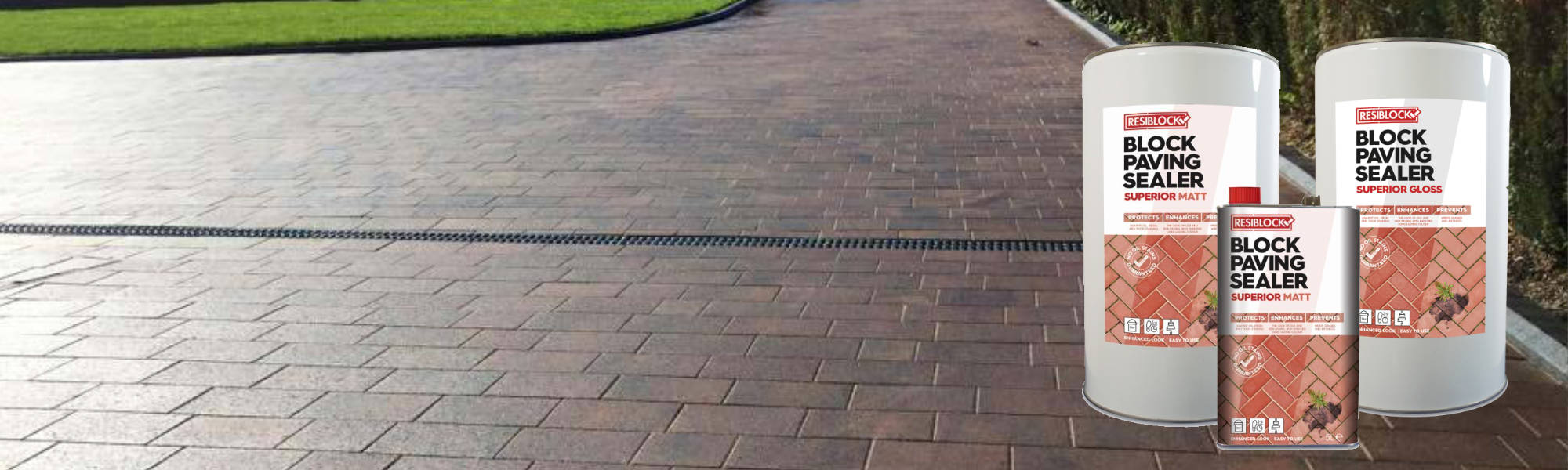
15th March 2026A stunning driveway sealer provides an appealing entrance to your home and can even add value to your property. While unsealed block paving can look great, it is susceptible to dirt, debris, weed growth and loss of sand which can all tarnish the appearance of your installation. Resiblock offers a simple, effective and long lasting superior gloss sealer or superior matt sealer for your block paving installation. Here are some tips to help you create the perfect finish.
Testing The Area First
Before you coat your entire driveway, it is usually a good idea to create a test area. This is a great way to discover how the coating will look across the entire surface of your driveway, but is also a fantastic way to refine your sealing skills before you begin.
Prepping Your Driveway
Before applying driveway sealer to either a test area or the entire surface area, you’ll need to carry out some prep work first. To ensure your driveway shines, you must give the paving a thorough clean first. This will help to remove any tyre marks, dirt, stains or spills that may have affected the appearance of your paving until now. The block paving will need to be completely dry before you attempt to apply the driveway sealer; however, it should also be free of any jointing sand that has become loose.
View our range of cleaning and sealer removal products
Removing Previous Driveway Sealer
If you’re working on an existing driveway installation and have previously applied any sealant, then you’ll need to remove this entirely before you begin with your new driveway sealer coating. This is particularly important if you previously used a different brand, as there might be compatibility issues that could affect the aesthetic appeal of your installation.
View our world leading sealer remover
Choosing The Right Time To Apply Driveway Sealer
To provide your block paving with a perfect finish, you’ll want to ensure that you apply your driveway sealer at the perfect time. It’s always important to check your local weather forecast before commencing with this type of project. Aim to apply your sealant when the temperature is between 10 to 30 degrees Celsius and avoid any days where there’s a possibility of rainfall.
In the event that it rains during your application of driveway sealer, then check to see if your Resiblock product is a pre-polymer urethane. If so, please contact our customer services team on 01268 273344 who will be able to guide you through what steps to take.
Achieving An Even Coating
Applying your driveway sealer is simple if you use the right tools. A roller, squeegee, brush or spray are all great options to help you evenly spread the sealant across the surface of your block paving installation. Make sure that you allow the sealant to flood into the joints between the paving stones. However, if any pools form, then these should be removed with a squeegee or sponge.
Driveway Sealer FAQs
How do I prepare my driveway before applying sealer?
Clean the driveway thoroughly to remove tyre marks, dirt, stains and spills, make sure it is completely dry and clear away any loose jointing sand before applying sealer.
Preparation has a direct impact on the final finish, as any marks left on the surface can be locked in once the sealer is applied. Unsealed block paving is vulnerable to dirt, debris, weed growth and sand loss, so a clean and stable base gives the sealer the best chance to protect it. Interpave provides independent guidance on how block paving is laid and maintained, including the role of jointing sand.
Need help getting the surface ready? Browse the Resiblock cleaning and sealer removal products to prepare your driveway properly.
Do I need to remove old sealer before resealing my driveway?
Yes. Any previous driveway sealer should be removed entirely before applying a new coat, especially if it was a different brand.
Different sealers can react badly with each other, causing compatibility issues that spoil the appearance of your paving. Stripping the surface back fully ensures the new sealer bonds properly and delivers an even finish. The Resiblock guide to using paver sealer remover explains the process in more detail.
To strip the old coating, use Resiblock Paving Sealer Remover, which works on any paving sealer and any paved surface.
What is the best weather for applying driveway sealer?
Apply driveway sealer in dry weather when temperatures are between 10°C and 30°C, avoiding any days where rain is possible.
Rain or cold temperatures can stop the sealer curing properly and affect the finish, so always check your local forecast before you start. If it does rain during application, check whether your Resiblock product is a pre-polymer urethane, as this may need specific steps to put right. The Met Office provides detailed local forecasts to help you plan a suitable dry window.
Caught out by rain? Call the Resiblock customer services team on 01268 273344 for guidance on what to do next.
How many coats of driveway sealer do I need?
Resiblock driveway sealer is a one coat product, so a single application is usually enough, although a second coat will not cause any problems.
Apply the sealer evenly using a roller, squeegee, brush or spray, allowing it to flood into the joints between the blocks. Remove any pools that form with a squeegee or sponge to avoid an uneven finish. Testing the sealer on a small section of your driveway first is recommended, as it shows how the finish will look and helps you refine your technique before sealing the whole area.
Want to see the finish first? Order Resiblock samples to test the Superior Gloss and Superior Matt sealers on your driveway.
How long after sealing can I walk or drive on my driveway?
When applied in the right weather conditions, a sealed driveway can be ready for both foot and vehicle traffic in as little as 24 hours.
The sealer needs time to dry fully before it can take any weight, so plan the job for a day when you can keep the driveway clear. Moving vehicles off the drive before you start and letting household members and visitors know in advance will help avoid marks on the fresh coating.
Make the job easier with the right tools by browsing the Resiblock application products, or use the Resiblock Find a Contractor tool if you would prefer a professional finish.
How soon can I seal a new block paving driveway?
Wait around 8 weeks after a new block paving driveway is installed before preparing it for sealing, so the paving can dry out completely.
Sealing too early can trap moisture in the paving, which affects both the appearance and performance of the sealer. Allowing the full drying period gives you the best long term result and protects your investment in a new driveway.
For full preparation and application advice, follow the Resiblock application guidelines before you begin.