


What Is The Best Type Of Tarmac Restorer?
28th April 2026Tarmac is a durable material which is commonly used to construct surfaces such as carparks, driveways or playgrounds. Although tarmac is strong, it will deteriorate over time due to oil or diesel spills, whilst a common alternative of asphalt can be damaged by car tires.
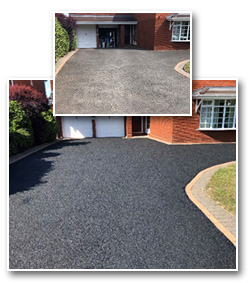
If your tarmac installation is beginning to look a little worn, then tarmac restorer offers multiple benefits including:
- Rejuvenation of the surface
- Sealing any cracks
- Prolong the life of the installation instead of replacing it
- Enhance the colour of the tarmac
- Cover up any existing stains or damage
Choosing the right tarmac restorer
Now you understand the advantages of using tarmac restorer and what to expect from an application, it’s time to choose the most appropriate tarmac products to revamp your installation.
The main considerations will be that your tarmac restorer is:
- Effective
- Affordable
- Easy to apply
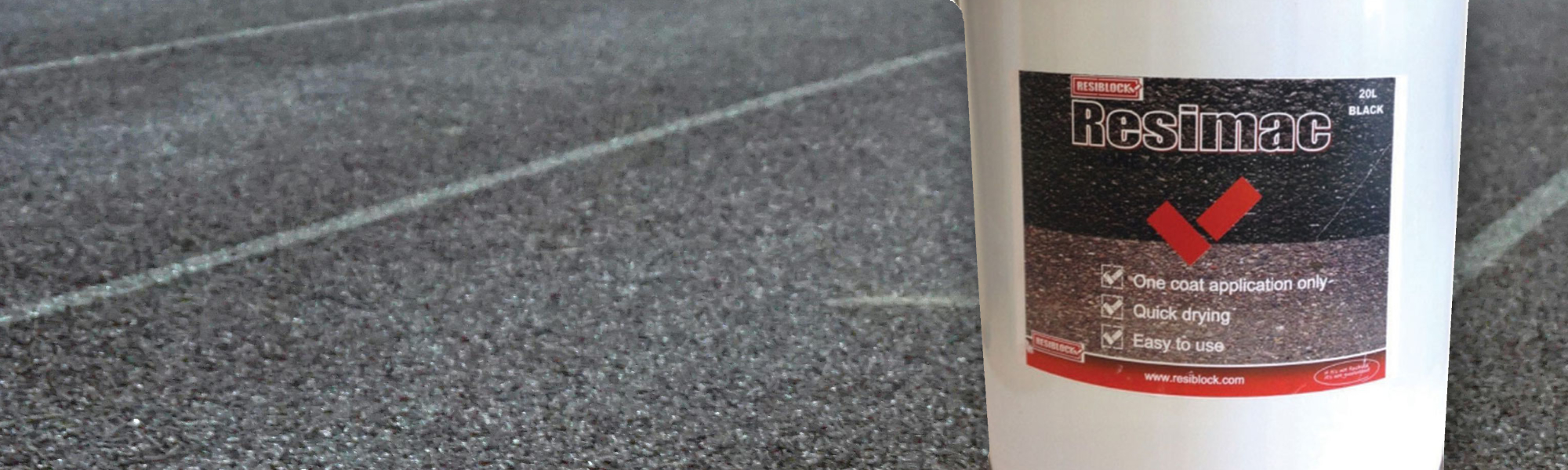
Why not try the Resimac tarmacadam restorer which is designed to dramatically enhance any old or new asphalt or tarmac installation?
Main features of the Resimac tarmac restorer
As a one coat product, you’ll find this a convenient product to work with, that quickly gives your tarmac the rejuvenation it needs. It’s eco-friendly too, so you don’t need to worry about pumping more toxins into the environment, or the product’s effect on those around you.
With a coverage speed rate of 60 – 100sqm offered per 20L drum at £140.95 including VAT, you’ll find this to be an affordable way to invigorate your tarmac. The product will go further if the tarmac is in good condition but has lost its colouring; more may be required if you’re using it on a poor-quality surface area.
Application tips for your tarmac restorer
When you choose a tarmac restorer, you’ll want the reassurance of knowing that it’s easy to apply. Resiblock’s Resimac comes with full application instructions that are extremely straightforward.
Preparing the surface begins with thoroughly sweeping the area and removing any debris. The tarmac or asphalt should be jet washed on a low pressure setting to prevent further damage to the material. If algae or moss are present, they should be treated with Resiblock Moss and Algae Remover using the Resiblock Tool Kit for best results, prior to the Resimac application.
Next, make sure you tape off all adjacent areas to the tarmac, which might include flower beds, lawn, sleepers or neighbouring driveways to prevent unwanted coverage. You should only attempt to apply Resimac in temperatures of between 5 to 30 degrees and when no rain is forecast.
When you’re ready to begin, use an extension handled roller kit with a medium pile head. For spots that are difficult to reach, the Resimac can be used on a paintbrush instead.
Contact Resiblock
If you’ve realised that your tarmac needs to be restored, Resimac is just what you’re looking for. Contact Resiblock on 01268 273344 if you have any queries about our product range or need further application tips.
Tarmac Restorer FAQs
What does a tarmac restorer do?
A tarmac restorer rejuvenates worn tarmac or asphalt by enhancing its colour, sealing small cracks and covering existing stains, extending the life of the surface without the cost of replacement.
Driveways, car parks and playgrounds gradually fade and look tired as they age. Rather than resurfacing, a restorer brings back a fresh, dark finish and adds a layer of protection. Resimac tarmacadam restorer is designed to enhance both old and new asphalt or tarmac installations, and it is a one coat, environmentally friendly product. For background on how asphalt surfaces are made and maintained, the Mineral Products Association is a useful industry source.
Want to compare options for your surface? Browse the Resiblock tarmac and asphalt products to find the right solution.
What causes tarmac to deteriorate?
Tarmac deteriorates over time through oil and diesel spills, weathering and general wear, while asphalt surfaces can also be damaged by car tyres.
Fuel and oil break down the binder that holds tarmac together, leaving stains and weakened patches. Moss and algae can also take hold on shaded areas, making the surface slippery and speeding up wear. Treating these issues early, including removing growth with Resiblock Algae, Mould and Lichen Remover, helps prevent further damage. The GOV.UK pollution prevention guidance also covers how businesses should manage oil and fuel spills on site.
If your tarmac is already looking worn, contact Resiblock on 01268 273344 for advice on whether restoration is the right option.
How much tarmac restorer do I need?
A 20L drum of Resimac tarmac restorer typically covers 60 to 100 square metres, depending on the condition of the surface.
Tarmac in good condition that has simply lost its colour will need less product, so each drum goes further. Rough, porous or poor quality surfaces absorb more restorer, so you may need extra coverage. Measuring the area before ordering and allowing for surface condition will help avoid running short partway through the job.
For full product details and coverage information, download the Resiblock technical data sheets before placing your